
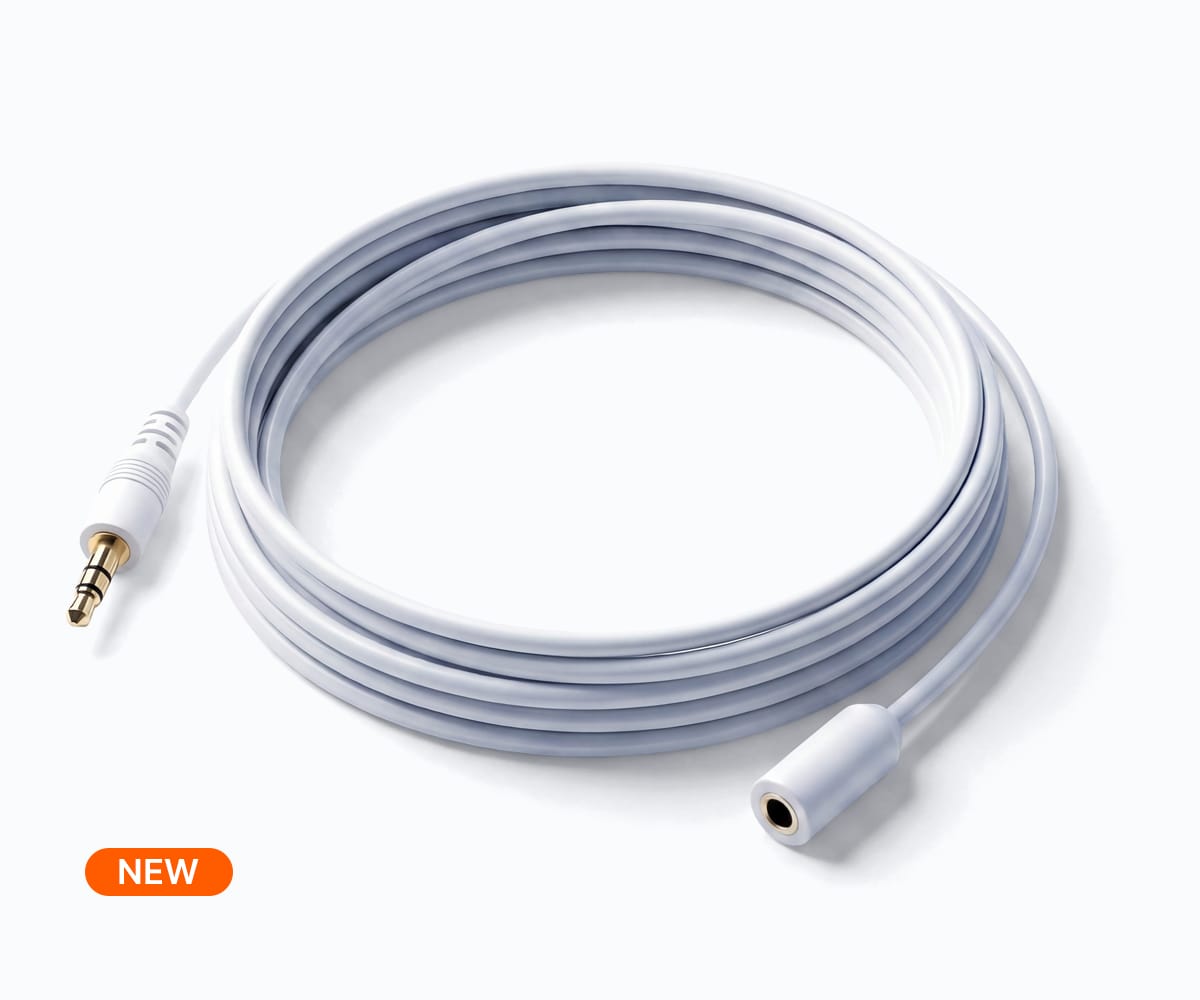
Extender Cable (E2P2)
Shielded 2.5 m extender cable for extreme temperature monitoring down to -86°C, compatible with all Eupry sensor probes via the 2.5 mm jack.
What sets the Extender Cable apart
Built to stay inside the unit it monitors, so sensor swaps stop being a defrost event.
No-defrost sensor swaps
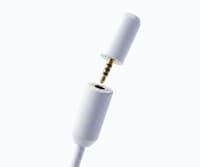
Annual recalibration normally means defrosting a ULT freezer or cold room — hours of downtime and a documented intervention. The cable stays in place permanently; only the small white sensor head moves, so sensor changes take seconds instead of half a shift.
Permanent installation, every Eupry sensor
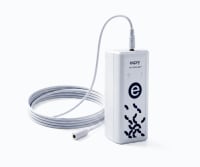
Route the cable once. From that point on, every Eupry sensor probe with a 2.5 mm 4-pole jack — P1T, P1TH, P1CTH, P2T1, P2T2, and P2TH — plugs straight in. No re-routing, no firmware changes, no per-sensor variants to stock.
Extreme temperature tolerance, top to bottom
A silver-plated copper conductor with shielded braid keeps the digital signal clean from −86 °C to +100 °C. The same cable handles ultra-low freezers, incubators, ambient rooms, and warm storage — without compromising signal integrity or breaking under thermal stress.
Passive design, calibration preserved
The cable is a passive extension, so calibration stays tied to the connected sensor head. You can swap or relocate the cable at any time without affecting calibration status, certificates, or audit trail.
Key functionalities
How the extender cable enables reliable monitoring at the temperature extremes.
- Extreme temperature operation: Rated from -86°C to +100°C, the cable performs in ULT freezers, ambient rooms, and warm storage without compromising signal integrity or breaking under thermal stress.
- Permanent installation: Stays installed permanently inside the freezer or storage unit. Future sensor swaps require only replacing the sensor head — no defrost cycle, no cable re-routing, no installation downtime.
- Signal integrity: Silver-plated copper conductor with shielded copper braid protects measurement data from electrical interference over the full 2.5 m cable length, even in noisy industrial environments.
- Universal compatibility: Connects to any Eupry logger with a 2.5 mm 4-pole jack and works with all P-series sensors and probes. Plug-and-play with no configuration. The passive design preserves signal characteristics regardless of which sensor head is connected.
- Calibration preservation: As a passive extension, the cable does not affect sensor calibration. Calibration certificates remain tied to the connected sensor head, simplifying audit traceability for monitored deployments.

Common applications
Where the Extender Cable typically earns its place.

Technical Specifications
Detailed specifications for Extender Cable (E2P2)
Compatible products
Compatible with all Eupry sensor probes that use the 2.5 mm 4-pole jack. Passive extension — calibration remains tied to the connected sensor head.
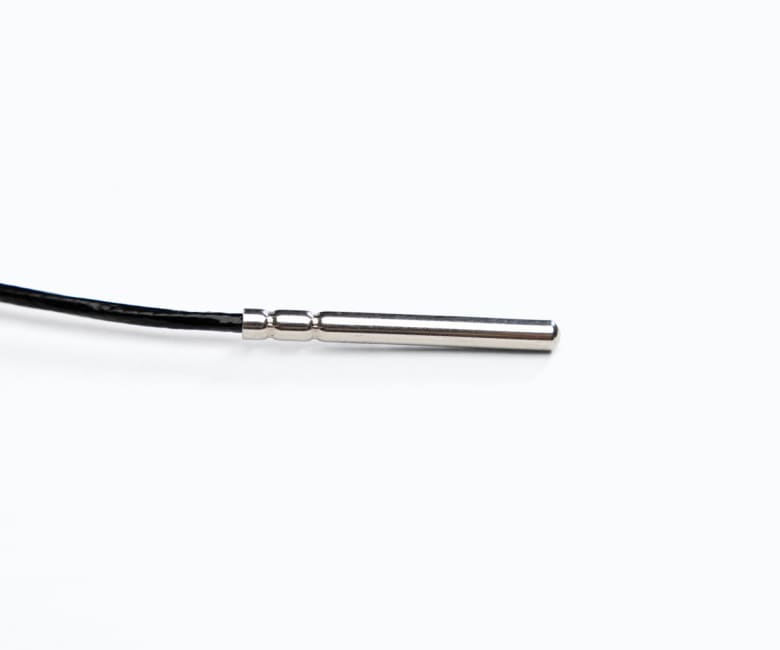
Extreme temperature probe with Teflon cable for -200°C to +200°C applications and IP68 rating
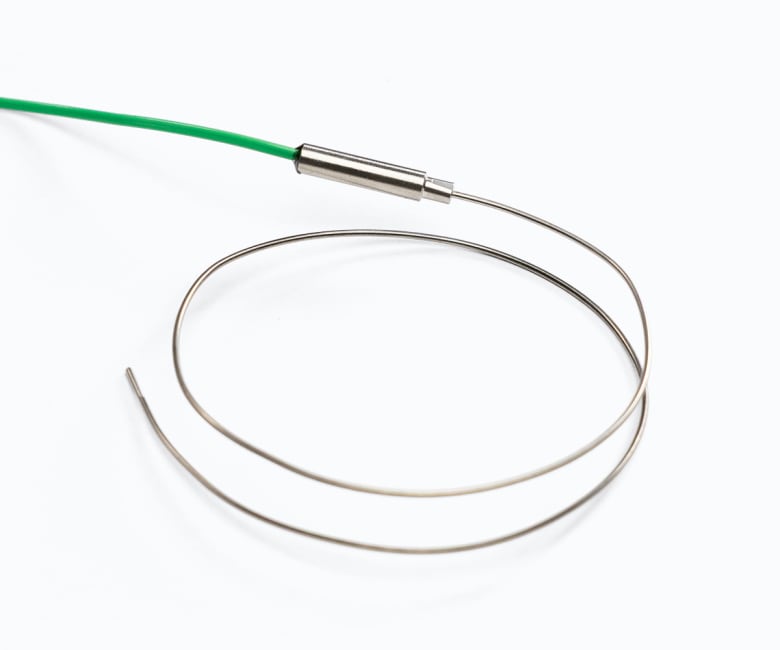
High-temperature thermocouple probe for heating chambers up to 1100°C with stainless steel protection
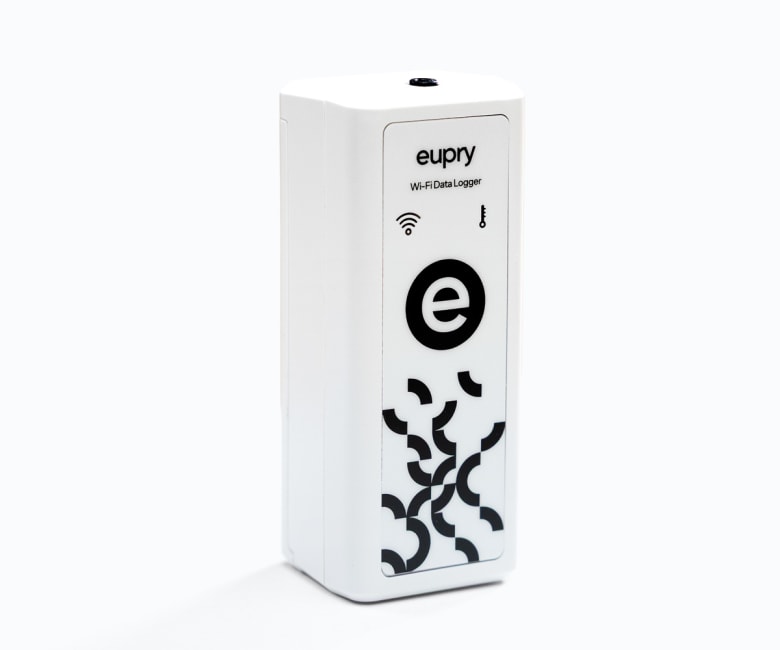
Wireless monitoring with 2-year battery life and secure, encrypted data transfer
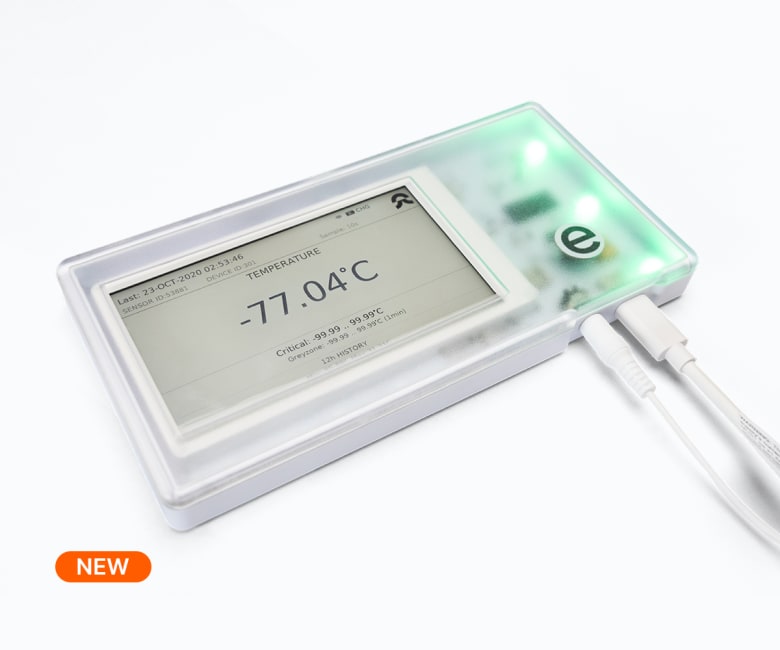
GxP-compliant data logger with built-in display, real-time audio-visual alarming, and continuous monitoring — even during power outages.
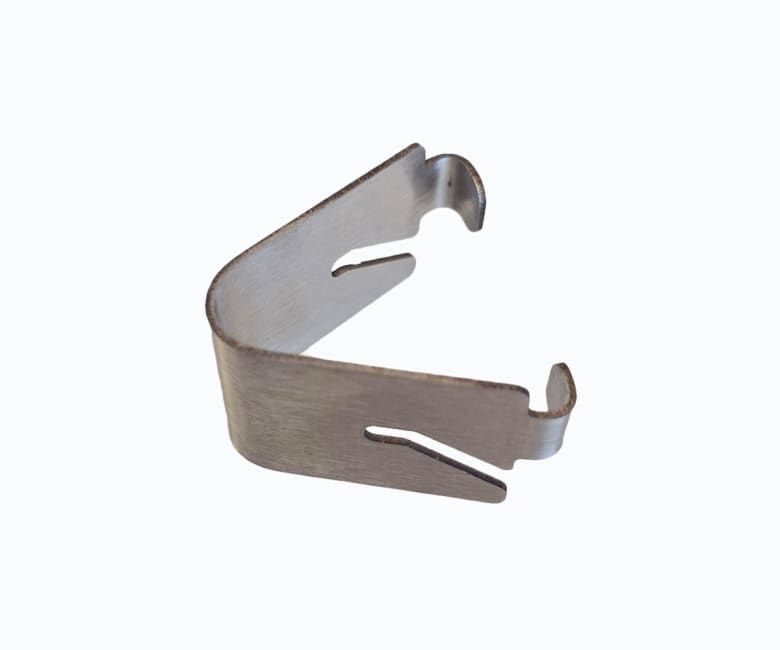
A stainless steel top clip with magnet and adhesive pad for the Extender Cable (E2P2). Mounts the cable from above without drilling.
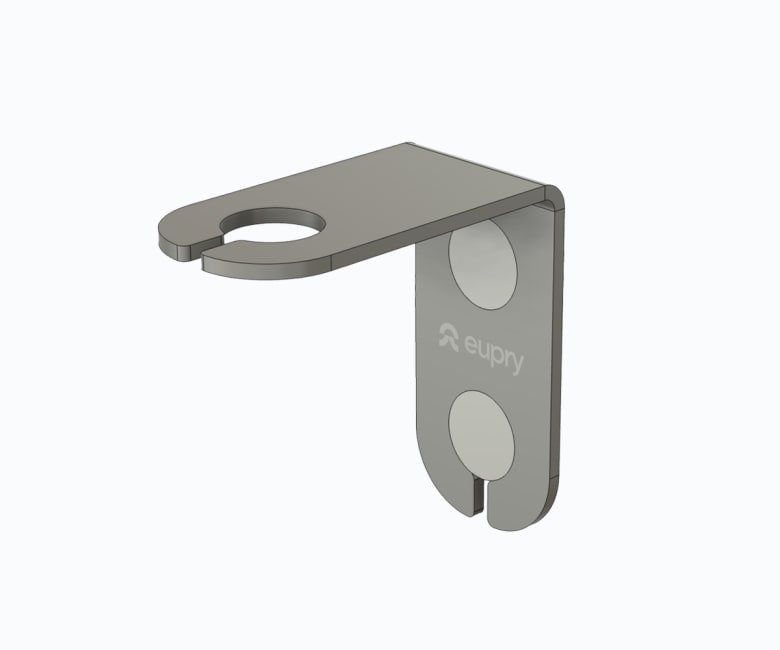
A stainless steel L-bracket with magnet and adhesive pad for the Extender Cable (E2P2). Mount it to steel or flat surfaces without drilling.
Ready to get started?
Talk to our team, or get the full technical specifications in the product catalog.